
Identify a Monroe County Owner
Two records beat one screen. A single name will not settle who owns a Monroe County parcel. Start with the county Assessor and GIS. Copy the parcel number, owner spelling, situs and mailing addresses, and legal description, then run them through the Recorder's Doxpop index. The newest deed should name the grantee. A grantee is simply the party who received the interest, and that recorded instrument is what makes the address match solid.
- Enter the property address in the Monroe County Assessor GIS search.
- Copy the 18-digit PIN or 10-digit tax ID, owner name, and legal description from the parcel card.
- Search that name in Doxpop, checking both grantor and grantee roles and the newest recording date.
- Read the newest deed image or ask the Recorder to verify the instrument when online access is incomplete.
Matching records make a strong trail. Names can differ after a recent sale. Treat the newly recorded deed as the fresher source, and ask the county whether the assessment roll has caught up.
Monroe County Owner Fields
The official assessor parcel layer keeps Owner apart from Owner_Street and Property_Street. That split matters. The property street is the situs. That is the place being assessed. The owner street is where tax mail goes, and it may sit outside Monroe County. The card also lists legal description, subdivision, latest sale date, assessment year, land value, improvement value, and total value. Those fields confirm the right parcel.
The layer carries an 18-digit PIN and a 10-digit tax ID. Keep the punctuation the portal shows. The same tract can appear in a different format in Beacon, LOW Tax Info, an export, or a deed. The number still points to one tract.
The official assessor parcel layer below is the county source for those owner and address fields.
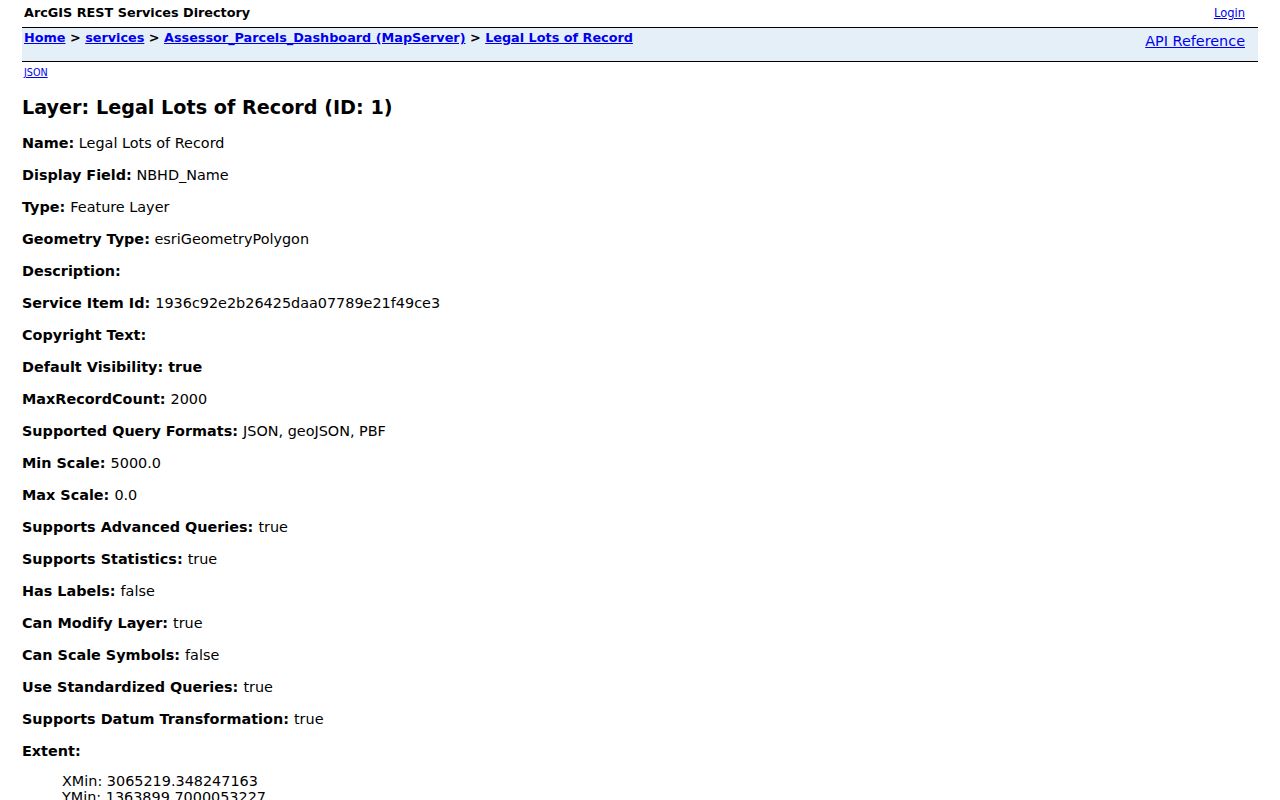
Read the owner-mail address and the property's situs as separate facts. The field view makes that plain.
When Monroe Records Lag
Monroe County publishes no fixed day count for the gap between closing and deed recording. Nor does it set one for an assessor-roll refresh. Any current owner check needs a date. A parcel card can still show the seller. A deed recorded days earlier may already name the buyer as grantee. Search both party roles. Sort for the newest relevant instrument instead of assuming the roll updates at once.
A last-sale field is not the deed itself. It can show an older sale on a newer card. When timing matters, check the instrument date and recording date. The legal description and grantee on the deed are the better checks too.
Note: Save the date of your search. Ownership and assessment fields can change after a deed is processed.
Monroe County Ownership Sources
Each Monroe County source answers a different slice of who owns a property here. The assessment roll gives the quick owner-of-record clue. The deed index is the recorded transfer check. GIS ties both to a place on the map, and the state business index can explain a company name.
| Ownership source | Useful clue | Best access route |
|---|---|---|
| Assessor parcel card | Owner field, mailing and situs addresses, PIN, sale fields | Free eGIS, Beacon, or county REST layer |
| Recorder deed index | Latest grantee, grantor, recording date, legal description | Doxpop from January 1991; Recorder for older items |
| Indiana INBiz | Business name, status, agent, filing details | Free public business search |
| County GIS | Parcel location and surrounding owner clues | Beacon and Spatial Data Hub |
The owner of record may not be the occupant. A company can own a home. A trust can hold title, and tax mail can go to a manager or an address far from the land. Public records do not identify every person with a private stake.
Companies Trusts and Estates
Some owner lines need a second check. LLC, Inc., Trust, Estate, and fiduciary titles all qualify. The Indiana INBiz Business Search supports exact, starts-with, and contains searches by business name, ID, agent, governing person, street, city, and ZIP. A registered-agent address is not proof that the agent owns or occupies the parcel.
For a trust, the public deed may name a trustee while beneficiaries stay outside the land index. An estate may produce a probate docket, court order, or personal-representative deed. The recorded instrument still enters the land chain. Entity and probate records explain a name. They do not replace the deed.
Monroe Recorder Fallbacks
Doxpop allows six free resident searches each month and online viewing back to January 1991. JavaScript, subscriptions, or image access can still block a search. The fallback is direct. Contact the Monroe County Recorder at 100 W Kirkwood Avenue, Room 122, Bloomington, call 812-349-2520, or email recorder@co.monroe.in.us. Counter hours are weekdays, 8 a.m. to 4 p.m.
Give staff the parcel number, exact owner name, likely recording span, and legal description, then ask for the newest deed and whether a certified copy is needed. Standard copies up to 11 by 17 inches run $1 per page. Certification adds $5.
Watch a Monroe Owner Name
A Monroe County search can confirm who holds title. After that, Doxpop Property Watch can keep an eye on the public index for that person. The free alert form needs a state, a county, and one full name. Paid subscriptions add room for spelling variants, a pair of co-owners, or a company name. When something new records against the name, the alert arrives quickly. The notice might involve a deed, a mortgage, a release, or some other instrument. An alert alone does not prove that ownership changed. Think of it as a prompt. Pull the actual record from the county's deed records and read the instrument itself.
Resolve a Monroe Name Mismatch
A name on the assessor roll rarely matches a deed party letter for letter. The roll may flip surname order, drop punctuation, or shorten a middle name. It may also tack on a trust or company suffix. Start with the exact assessor spelling in the property records, then loosen it. In Doxpop, search both grantor and grantee roles and narrow the recording span. Let the legal description and parcel details settle whether the instrument covers the same land.
Timing explains many fresh mismatches. Monroe County publishes no fixed update lag between a deed recording and the assessor roll. An older gap may trace to a corrective deed or an estate transfer. It could also stem from a trust conveyance or a parcel split. Guessing is a bad habit. Pull the deed image. Compare the grantee, grantor, deed type, recording date, and land description.
Still stuck? Hand the Recorder staff every name variant, the PIN, the tax ID, and the legal description. Include the likely transaction date too. Ask whether a staff index or an older book reference connects the names.
Ownership Terms in Monroe Records
A few short terms keep these sources straight. Their legal force always depends on the instrument and the full chain of Monroe County property records.
- Owner of record
- The name carried on the county assessment roll at the time checked.
- Grantee
- The party receiving the interest stated in a recorded deed.
- Title
- The legal rights in land, which cannot be settled by one parcel-card name.
- Situs address
- The physical property address, distinct from the owner's tax-mail address.
Limits of Monroe Owner Lookups
No Monroe County owner lookup settles occupancy or beneficial interests behind a trust. It does not resolve unrecorded claims either. Nor does it fix the exact edge of a parcel. GIS lines are approximate at best. A deed image may also reference a plat or survey in its legal description. Anyone buying, selling, inheriting, or arguing a boundary should get the right professional review. Do not treat a screen result as a title opinion.
Indiana law shields some addresses and personal data. Put the property records to lawful uses. Good examples are deed-fraud awareness, estate work, civic questions, or purchase diligence. Never turn a mailing address into a claim about where a person actually lives.
Ownership is not title. The roll and GIS provide clues, not a title search. Never use Monroe County owner data to stalk, harass, intimidate, or harm anyone.