
Monroe County Owner Record
The Monroe County assessment card works as a present-tense snapshot. Its separate public fields help you tell the current owner apart from the property address or an older sale. Check the assessment year printed beside the name. Treat the roll as an assessment record, not a live title register.
| Owner Name | The assessor's Owner value, including entity or trust suffixes |
|---|---|
| Mailing Address | Owner_Street and owner city, state, and ZIP for tax mail |
| Situs | Property_Street, the land's physical address |
| Parcel Keys | 18-digit PIN and 10-digit tax ID |
| Sale Clues | Latest sale date and price, not the deed itself |
| Land Description | Legal description, subdivision, lot, acreage, and plat map |
A mail address may sit far off site, even outside Indiana. That does not make the record wrong. It just means tax notices go elsewhere, and it says nothing about who actually occupies the property.
Read Monroe's Exact Owner Field
The official Assessor parcel layer labels its ownership value plainly as Owner. Separate owner-mail and property-address fields sit alongside it. That separation prevents a common mix-up. Public samples show names as individuals, LLCs, and revocable trusts. When copying a name, keep the commas, initials, and suffixes intact. If the first deed search fails, try a plain version of the name. The assessor layer is the field source for this owner check.
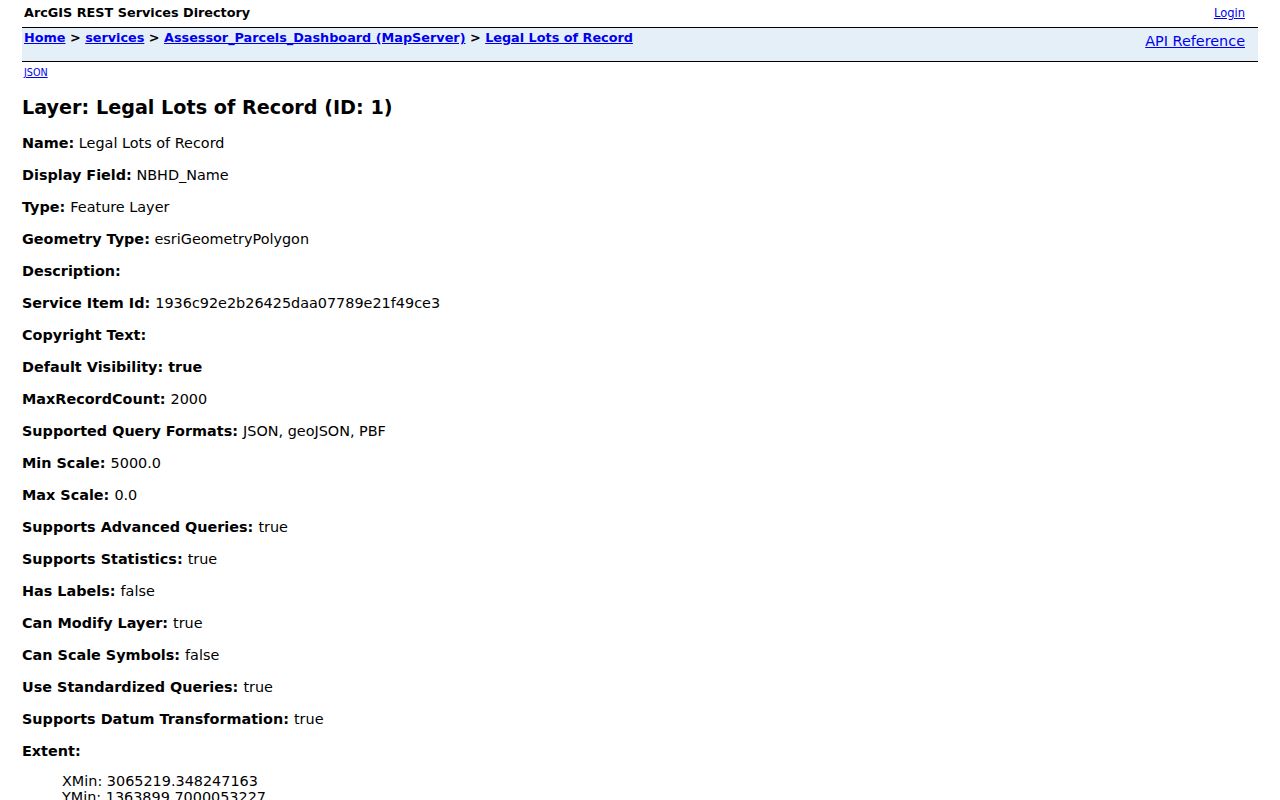
Its field inventory keeps the owner, situs, value, sale, and parcel identifiers separate, which is exactly what you need to test a single result.
How Fresh Is Monroe Ownership?
No Monroe County source promises a fixed number of days between closing, recording, and the assessment-roll update. A gap can follow any sale. The parcel card may still list the prior party as current owner. Meanwhile, a newly recorded deed names the new grantee. Save the date you viewed the roll and set it against the deed's recording date. The assessment year is a second freshness marker. Even a current-year card can carry an older latest-sale entry. The sale field adds context, but the newest valid deed holds the direct transfer language.
Freshest record. When a recent deed and the roll conflict, inspect the recorded deed and ask the Recorder whether the roll update is pending.
Confirm Monroe's Current Owner
Confirming ownership is a short comparison between the assessment card and the Recorder index. You never need to rebuild the whole deed chain.
- Search the address in the Assessor GIS system and copy the owner, PIN, and legal description.
- Search the owner as both grantee and grantor in Doxpop.
- Open the newest deed tied to the same legal description and note its grantee and recording date.
- Ask the Recorder for help when the image, party index, or older instrument is unavailable online.
Doxpop's Monroe online-document window reaches back to January 1991. Current transfers fall well within that span, though an image or account gate can still make the counter the better route.
Monroe Names in Deed Roles
A grantee receives the interest a deed states. A grantor conveys it. Search both roles. Today's owner may appear as a grantee at acquisition and later as a grantor on a correction or partial transfer. Match the legal description rather than trusting the name alone. Name variants matter too. Initials, married names, commas, trust dates, and company suffixes can split related results apart. A careful public search may still miss the likely transfer. Recorder staff can search their own indexes.
LLC and Trust Owners Now
When the current owner field names an LLC, turn to the Indiana INBiz search to verify the entity's name, status, registered agent, and filings. Search modes cover exact, starts-with, and contains. A registered agent receives legal process, but that role alone does not make the agent the parcel owner or occupant. Trust records may name only a trustee. An estate may name a personal representative. Those are valid owner clues, yet public records may not disclose every beneficiary or private interest. Read the deed's grantee line and capacity terms closely.
Monroe Current Owner Terms
These terms define what the roll does and does not say.
- Owner of record
- The owner name shown on the assessment roll when checked.
- Assessment roll
- The county record used to describe and value taxable parcels.
- Situs
- The parcel's physical address, distinct from tax-mail destination.
- Recording lag
- The time between a deed filing and a related roll update.
Track Future Monroe Recordings
Property Watch lets you select Indiana, Monroe County, and one full name. The service is free for recording alerts. Set up separate subscriptions for co-owners or spelling variants. An alert is a prompt to inspect a new public instrument. It is not proof that title or the current owner changed.
Note: A new mortgage, release, or lien can trigger an alert without changing the grantee on the latest deed.
Ask Monroe Staff for Help
An online owner search can fail for simple reasons. An address may not match the form the portal expects. A parcel may have been split, or an entity name may be indexed with different punctuation. The Assessor sits at 100 W Kirkwood Avenue in Bloomington. The phone is 812-349-2502, with weekday hours from 8 a.m. to 4 p.m. Ask for a parcel-card lookup by address, PIN, tax ID, or known owner.
For the deed check, visit the Recorder in Room 122 at the same address. You can also call 812-349-2520 or email recorder@co.monroe.in.us. Provide the parcel's legal description plus the suspected buyer and seller names. A clear request helps staff separate the newest ownership deed from mortgages, releases, liens, and other instruments. Those other instruments may share a party name.
Separate Sale From Ownership
The assessor's sale date and price are useful clues. They cannot replace the grantee line. An owner may take title through an estate, a trust transfer, or a corrective deed, none of which the public sale field fully captures. Before trusting any current-owner result, match the newest instrument against the parcel's legal description. This habit keeps an old sale from masquerading as a fresh transfer. Weigh the assessment year, the sale date, and the recording date together. When those line up, the ownership picture is far more reliable.
Match Monroe Parcel Details
A street address alone is a weak match. Monroe County's parcel layer offers much better anchors. These include legal description, political township, subdivision, lot, section, range, acreage, property class, neighborhood, and plat map. Agreeing on several fields at once protects you from grabbing a neighboring parcel. That parcel might share a similar address. The risk is real on rural roads, corner lots, condominium sites, and tracts that were split years ago. Two identifiers are worth saving. The 18-digit PIN and the 10-digit tax ID travel well between county tools. Public displays sometimes add punctuation. Copy the format the portal shows and drop to plain digits only when another tool demands it. One owner may control two adjacent lots. Each parcel carries its own card and legal description, even if one mailing address gets both tax notices. A deed confirmation should lean on the land description, not the name. Names are weak evidence when a person or company holds several Monroe County parcels. Parcel agreement, legal-description agreement, and a recent recording date make a far sounder owner-of-record check.
Current Monroe Record Boundaries
The Assessor keeps property records for every Monroe County township. Municipal lines matter for planning and permits, not for ownership custody. A Bloomington mailing address can sit outside the Bloomington city line. ZIP codes are delivery geography. They never move a deed or an assessment to a different office. If an ownership question also touches zoning, switch on the corporate-boundary layer first. Then choose a city or county planning office. Keep that jurisdiction answer apart from the deed question. The Recorder still holds the land instrument. The Assessor still supplies the county tax roll.
Limits on Monroe Owner Data
The tax-mail address is the contact clue most clearly tied to the assessment roll. It is not proof of residence. Indiana shields some address data through confidentiality programs. Private occupants may never show up in a parcel record at all. A current owner lookup will not surface every unrecorded claim. It will not settle a title dispute either. For a purchase, an estate, an easement, or a disputed interest, rely on the recorded deed. Add proper professional review. The full address-first method is laid out on the Monroe County property owner page.
Lawful use. Use public owner information for legitimate property matters. Never use it to stalk, harass, intimidate, or harm a person.